
The Craft Behind the Camera
Jack McAdam didn’t just illustrate sets; he engineered atmospheres. Operating at the intersection of architecture, surrealism, and cinematic history, McAdam's mid-century illustrations capture a rare era when movie magic was entirely hand-crafted. Each line, shadow, and geometric perspective in these conceptual reproductions tells the story of an artist solving the physical puzzles of imagination. Bring the raw, evocative aesthetic of classic 1970s and 80s art direction into your space.
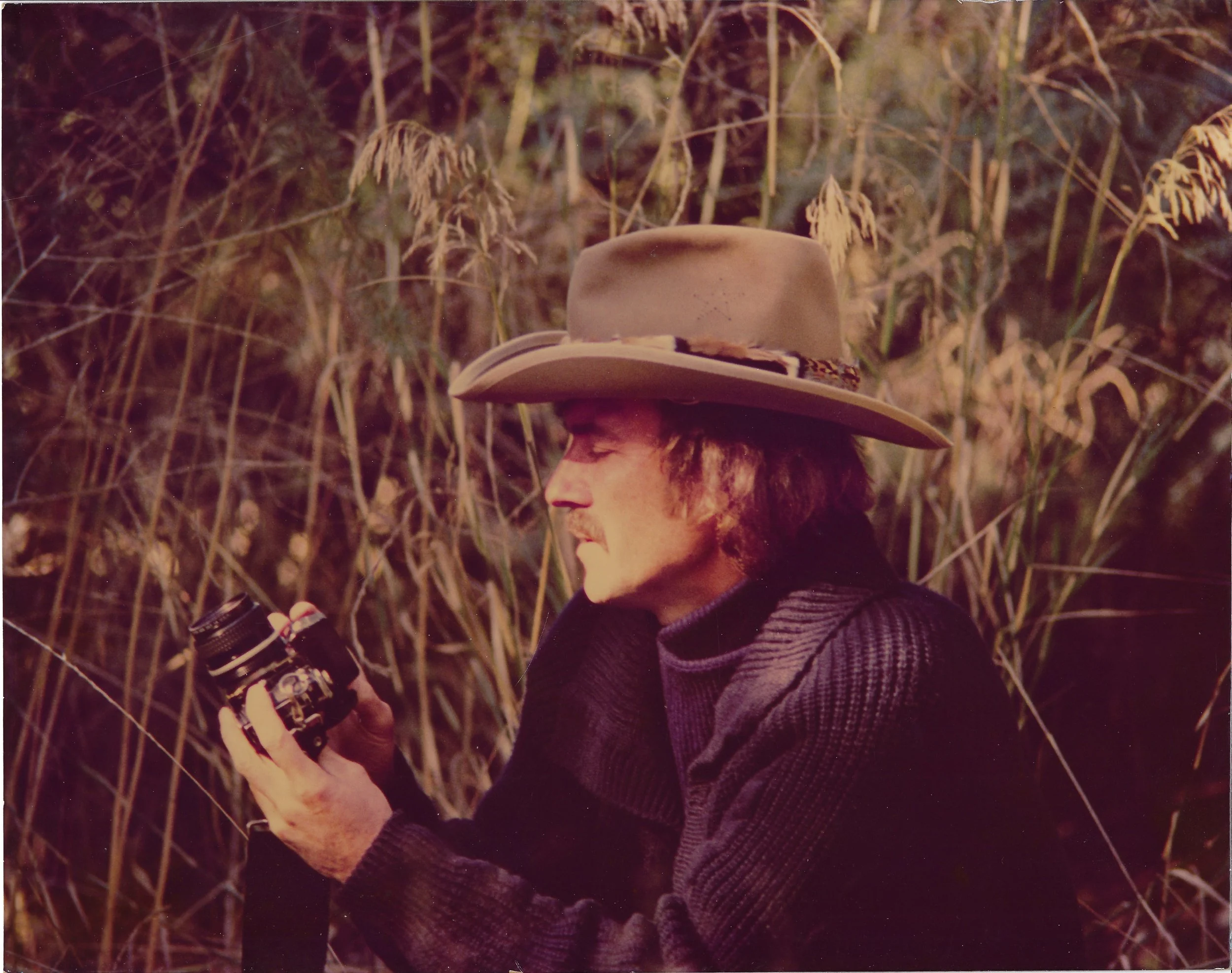

Jack W. McAdam significantly shaped the visual landscape of 1960s to 1990s television and film by bridging the gap between traditional theatrical staging and highly technical, large-scale cinematic set designs. As one of Canada's most prominent production designers, he pioneered complex structural builds and surrealist aesthetics that defined the era's transition into color and high-concept genre programming.
His influence during this period is highlighted by several key advancements in the industry:
Pioneering Technical and Industrial Realism
McAdam pushed the boundaries of what could physically be constructed for Canadian and international cinema. For the 1973 science-fiction film The Neptune Factor, he designed a massive, highly complex large-scale submarine replica that functioned as the primary filming location. At the time, media outlets noted him as the brain behind some of the most technically complex movie sets ever built in Canada, setting a new benchmark for structural realism and scale in industrial art direction.
Defining 1960s Television Surrealism
Early in his career within the Design Department of the Canadian Broadcasting Corporation (CBC), McAdam challenged the conventional limitations of television sets. He was the production designer for Jim Henson’s critically acclaimed 1967 psychological TV drama The Cube. His minimalist, stark, and geometrically claustrophobic design was crucial to the show's narrative, proving that television environments could be used as active psychological drivers rather than static background scenery.
Versatility Across Diverse Genres
After establishing his independent firm, Design Service Associates, and consulting for the CTV Network, McAdam demonstrated how a production designer could fluidly move between drastically different visual tones:
Sci-Fi and Adventure: He established the futuristic, gritty look for cult classic series like The Starlost and the rugged environments for The Swiss Family Robinson.
Horror and Genre Blending: He crafted the visual atmosphere for the unique sci-fi/western horror film Welcome to Blood City (1977) and Alice Cooper’s landmark musical-horror TV special The Nightmare (1975).
Variety and Comedy: He designed the bright, high-energy stages for The Hudson Brothers Razzle Dazzle Show, Bizarre, and the Emmy-nominated Van Dyke and Company starring Dick Van Dyke.
Standardizing International Co-Productions
McAdam's work helped transition production design into a globalized effort. Operating from both Toronto and later Los Angeles, he designed sets across Norway, Germany, Italy, Hong Kong, and South Africa. His ability to scale projects for international television movies—such as the Henry Winkler-led An American Christmas Carol (1979)—helped establish standardized, high-end production aesthetics that allowed Canadian talent and crews to compete seamlessly on the global Hollywood stage.
The Craft Behind the Camera
Jack McAdam didn’t just illustrate sets; he engineered atmospheres. Operating at the intersection of architecture, surrealism, and cinematic history, McAdam's mid-century illustrations capture a rare era when movie magic was entirely hand-crafted. Each line, shadow, and geometric perspective in these conceptual reproductions tells the story of an artist solving the physical puzzles of imagination. Bring the raw, evocative aesthetic of classic 1970s and 80s art direction into your space.
Jack W. McAdam significantly shaped the visual landscape of 1960s to 1990s television and film by bridging the gap between traditional theatrical staging and highly technical, large-scale cinematic set designs. As one of Canada's most prominent production designers, he pioneered complex structural builds and surrealist aesthetics that defined the era's transition into color and high-concept genre programming.
His influence during this period is highlighted by several key advancements in the industry:
Pioneering Technical and Industrial Realism
McAdam pushed the boundaries of what could physically be constructed for Canadian and international cinema. For the 1973 science-fiction film The Neptune Factor, he designed a massive, highly complex large-scale submarine replica that functioned as the primary filming location. At the time, media outlets noted him as the brain behind some of the most technically complex movie sets ever built in Canada, setting a new benchmark for structural realism and scale in industrial art direction.
Defining 1960s Television Surrealism
Early in his career within the Design Department of the Canadian Broadcasting Corporation (CBC), McAdam challenged the conventional limitations of television sets. He was the production designer for Jim Henson’s critically acclaimed 1967 psychological TV drama The Cube. His minimalist, stark, and geometrically claustrophobic design was crucial to the show's narrative, proving that television environments could be used as active psychological drivers rather than static background scenery.
Versatility Across Diverse Genres
After establishing his independent firm, Design Service Associates, and consulting for the CTV Network, McAdam demonstrated how a production designer could fluidly move between drastically different visual tones:
Sci-Fi and Adventure: He established the futuristic, gritty look for cult classic series like The Starlost and the rugged environments for The Swiss Family Robinson.
Horror and Genre Blending: He crafted the visual atmosphere for the unique sci-fi/western horror film Welcome to Blood City (1977) and Alice Cooper’s landmark musical-horror TV special The Nightmare (1975).
Variety and Comedy: He designed the bright, high-energy stages for The Hudson Brothers Razzle Dazzle Show, Bizarre, and the Emmy-nominated Van Dyke and Company starring Dick Van Dyke.
Standardizing International Co-Productions
McAdam's work helped transition production design into a globalized effort. Operating from both Toronto and later Los Angeles, he designed sets across Norway, Germany, Italy, Hong Kong, and South Africa. His ability to scale projects for international television movies—such as the Henry Winkler-led An American Christmas Carol (1979)—helped establish standardized, high-end production aesthetics that allowed Canadian talent and crews to compete seamlessly on the global Hollywood stage.
Services
Explore our range of services designed to help you move forward with confidence, wherever you're headed next.
Clients
We’re honored to have our work recognized in a range of publications, platforms, and press features.